


Marketing to seniors offers lots of opportunities and challenges. To succeed, you must understand their needs and behaviors.
This article discusses 7 common mistakes to avoid when marketing to baby boomers. It also highlights tips to help you reach this valuable market.
Effective marketing to seniors begins with a website that’s simple, accessible, and easy to navigate. Website builders offer customizable templates designed for readability, clarity, and mobile friendliness. Check out our recommended website builders to create a site that resonates with every generation.
Create an Accessible, User-Friendly Website with Top Builders
| Provider | User Rating | Recommended For | |
|---|---|---|---|
 | 4.6 | Beginners | Visit Hostinger |
 | 4.4 | Pricing | Visit IONOS |
 | 4.2 | Design | Visit Squarespace |
Why Your Marketing Strategy Must Include Seniors
If you run a business, ignoring certain segments may cost you. One of the segments businesses overlook is the senior market. But recent statistics show interesting facts.
Experts project Americans aged 65+ to increase from 58 million in 2022 to 82 million by 2050. This growth shows businesses have enough chances to succeed in this market.
The Untapped Economic Power of the Senior Market

The baby boomer generation is the fastest-growing age group. By 2040, the 65+ population will reach 78.3 million. In addition, the senior demographic holds 70% of Americans’ disposable income.
These numbers show that the senior market holds enough growth potential. Businesses willing to adjust have a lot to gain.
Think about this: those 65-74 years old have $609,230 as retirement savings. This amount is 82% higher than the national average of $333,940. This data shows that older consumers have the money to spend.
This demographic affects major industries like health, housing, travel, and retail. Many seniors across various industries are entering their retirement age with more money. They’re looking for products and services that’ll help them enjoy a good quality of life.
Debunking the Myth: Seniors Are Digitally Savvy

Many businesses targeting seniors believe that the majority avoid technology, but research says otherwise. Many seniors own a smartphone, and 73% use the internet every day.
They are active on social media, particularly Facebook and YouTube. In fact, older individuals are among the most active on Facebook. According to AARP’s 2025 report, 72% of adults 50+ use Facebook. Older adults also represent 9.5% of YouTube’s 2.5 billion users.

Marketers can reach senior audiences through these platforms. With a good digital marketing strategy, you can make money from the senior market.
7 Common Mistakes in Marketing to Seniors (And How to Fix Them)
Many businesses make mistakes when marketing to the older demographic. They often assume all seniors have the same interests and needs, so they don’t diversify.
Many marketers also ignore older people when creating online experiences. These and many other mistakes make it difficult for them to succeed in the senior market.
Below you’ll find 7 common marketing mistakes and how to fix them:
1. Perpetuating Ageism in Your Marketing Campaigns

Ageism, just like classism, affects the world more than people realize. In the business world, ageism in advertising is common but often overlooked.
Many marketers leave out older consumers in their campaigns. They focus solely on the younger generations, putting their needs first. This neglect makes older people feel like they’re not valuable customers.
For some, the word “Senior” means weak or a tech novice. This mindset often affects marketers’ campaigns. They talk down to older audiences and introduce harmful stereotypes.
Many decide the older generation only needs healthcare or assisted living. These mistakes make businesses miss a big part of the aging market.
- Expert Tip: Educate your team on ageism. Resources like the WHO Quick Guide to Avoid Ageism in Communication will help. This material will teach everyone how to use the right language and images. They’ll learn how to be more sensitive in their marketing campaigns.
- Expert Tip: Include people of different ages in your marketing team. Older people understand older consumers’ needs, motivations, and challenges better. It’ll also be easier to recognize messages that might offend. This diversity will help boost productivity.
Age-friendly language talks about strengths, not limits. In your marketing messages, don’t focus on what seniors can’t do. Instead, show how your products or services can help them do more and stay independent.
2. Creating Inaccessible and Complex Digital Experiences

Accessibility matters when marketing to seniors. Many older people have visual, auditory, and cognitive problems, so they require special attention. To effectively reach more of them, you need to create accessible digital content. Of what use is a product if it doesn’t serve your target audience?
Websites with small fonts, poor contrast, cluttered layouts, and unlabeled icons will confuse seniors. Autoplay videos may also frustrate them and drive them away.
This mistake goes beyond font and size problems. Not using clear alt text for images or using vague links like “click here” won’t work. People with vision problems will find it hard to understand your content. Small details like these can create big barriers for older users.
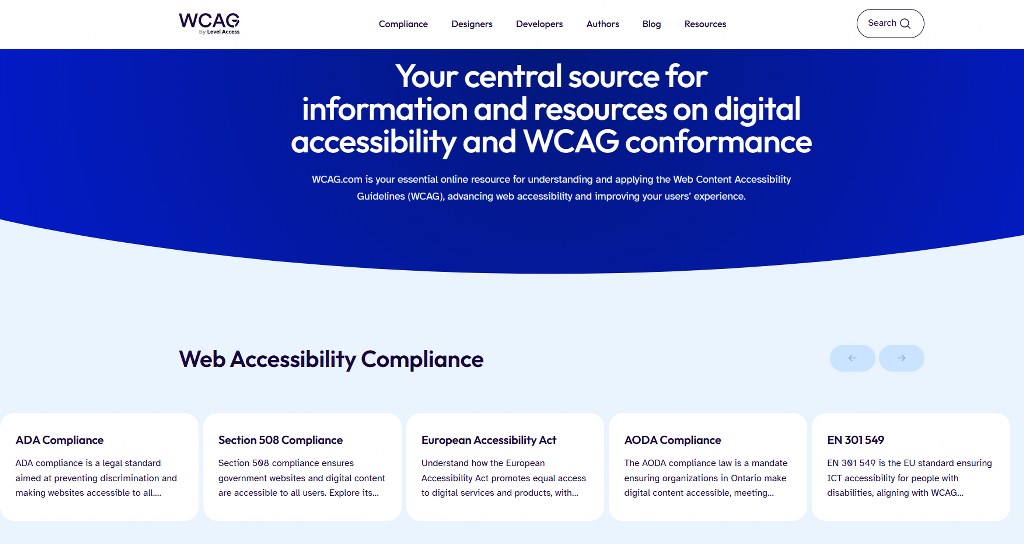
- Expert Tip: Ensure your website complies with Web Content Accessibility Guidelines (WCAG). These standards ensure usability for people with disabilities and everyone at large.
- Expert Tip: Use large fonts, high-contrast colors, and a clean and consistent layout. Use clear captions for videos and descriptive alt text for images. Provide FAQs and summaries. Ensure your interface is intuitive and easy to navigate. These features will ensure senior users enjoy a good user experience.
- Expert Tip: Include a customer support phone number to help people reach you. Many older adults prefer phone calls when they need assistance. So place these numbers where they can see them.

Learning how to create a website for everyone starts with knowing key accessibility rules. Good design brings happier customers and more sales.

Namecheap
3. Failing to Build Trust and Transparency

Trust is the best foundation for every business. To build a successful relationship with your customers, you must be trustworthy. Older people value trust more than their younger counterparts. So if you want to encourage seniors to buy from you, you must earn their trust.
The senior demographic is often careful when transacting online. These individuals think twice about websites asking for their personal and sensitive data. If you can’t guarantee that your website is safe, you may lose them.

If your marketing messages are not clear, you won’t grab seniors’ attention. Forceful marketing, hidden fees, and false promises break their trust. Older adults want to understand your offerings before purchasing. Clear communication will make them feel confident in their decision-making.
- Expert Tip: Make your brand more personal by showing real authors. People like to know that they’re interacting with real humans, not just robots. Include accessible contact info. This approach helps you connect well with customers.
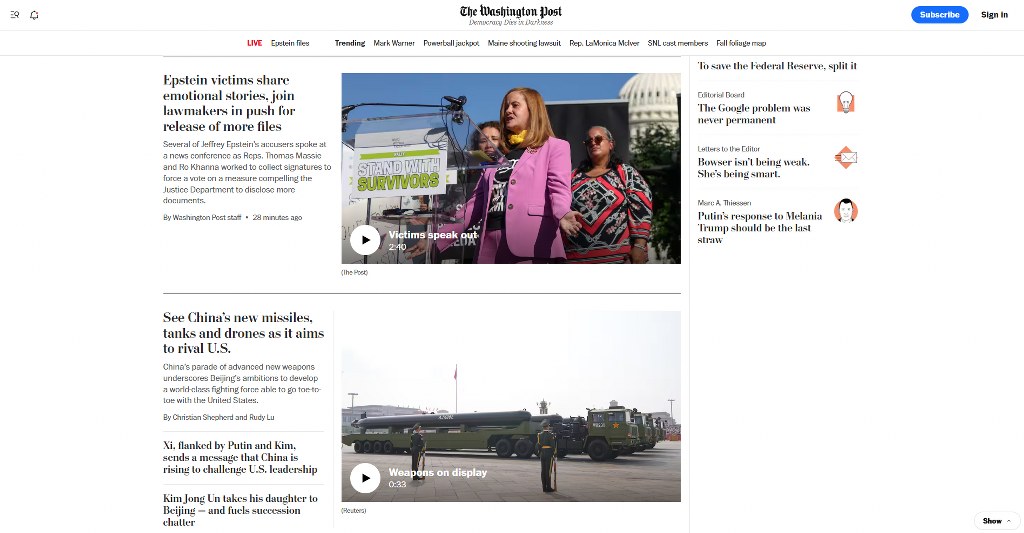
- Expert Tip: Show proof to attract respect and customers. Share your awards, certificates, or recognitions on famous sites like The Washington Post. Seniors trust third-party recognitions.
- Expert Tip: Share clear customer testimonials. People want real stories they can relate to– stories that address their pain points. Generic claims won’t work, especially among older generations.

Transparency means being honest about pricing, product descriptions, return policies, and any challenges. Sincerity attracts loyal customers.
4. Misunderstanding Senior Motivations and Product Needs
Another common mistake is assuming what works for younger consumers will work for seniors. Nothing harms your marketing efforts more than assumptions. You can’t conclude that a product is good for B because A loves it.

People have different needs, including older individuals. Older adults have their passions, motivations, priorities, and challenges. And these elements differ greatly from those of the younger generations.
You must understand these elements to help you create effective marketing campaigns. It’ll also help you create the right products for different demographics. Seniors’ motivations revolve around staying healthy and independent, and supporting old hobbies.
- Expert Tip: Conduct thorough market research to help you understand your target audience. This insight helps you create the right marketing approach and avoid assumptions.
- Expert Tip: Offer products that help senior citizens do things on their own. For example, equipment with big buttons and instant meals that ease cooking
- Expert Tip: Share how your offerings improve health, safety, or support hobbies. Seniors care more about real benefits than trends or showing off. Offer personalization to meet different needs.
Older adults often prefer quality over price. They want products that last longer and serve them well. This choice determines what they buy and who they buy from.
5. Using Language and Imagery That Doesn’t Resonate

Your messaging is very important to capture your target audience’s attention. You’ll miss out on potential clients if you don’t use their language.
Older audiences won’t relate well to trendy slang and references. You’ll fail to communicate your value if you approach them with these informal terms.
Not showing older people in advertising makes it hard to connect with senior audiences. It’ll be difficult for them to see themselves using your products or services. Showing all age groups is important for inclusion. But it matters even more when advertising to people who often feel ignored.
- Expert Tip: Use simple, easy-to-understand language that your audience knows. Don’t use confusing words or abbreviations.
- Expert Tip: Show older people in your photos and ads to show relevance and respect. Verizon uses this strategy for its 55+ phone plans. This approach helps build trust and connection.
Age-appropriate images shouldn’t show seniors as weak or inactive. Many older people are active and want to see that in marketing materials. Make content both easy to access and inspiring. Don’t drive away potential customers with marketing insensitivity.
Your choice of language should extend beyond avoiding slang. To engage seniors, use action-oriented languages that show benefits, not just features. This clear messaging helps them understand your value.
6. Overwhelming with Information or Relying Only on Text

The way the older generation consumes information is different from the way the younger generation does. Giving too much information at once is a common problem in marketing to seniors.
Older adults prefer pictures over long text and don’t like rushed sales. They like to take their time to understand what you’re offering.
Too much confusing info can make potential customers lose interest. The best approach is to share information clearly and let seniors take their time to understand it.
- Expert Tip: Keep your sales messages simple with short phrases and plenty of pictures. Pictures help seniors understand and remember information.
- Expert Tip: Use videos to show how your products work. This strategy works not just for seniors but for everyone. People feel more confident buying when they see how the product works.
- Expert Tip: For email marketing, use short, clear subject lines. Don’t include too many offers or messages in one email.
Understanding what email marketing is helps you create the right campaigns for seniors. This age group prefers a clear and respectful message, with a personal touch. Emails let you use their names and create personalized messages that encourage engagement.
White space in design is important to make your content more understandable. Simple, organized layouts help seniors read and understand information without feeling stressed.
7. Neglecting Key Digital Marketing Channels

Seniors may not be as tech-savvy as the younger people, but they know different technologies. Many businesses ignore the internet as a key place to reach seniors. Using only one marketing channel means missing chances to reach seniors.
Older adults use many channels to research and buy things, from social media to online marketplaces. You need a complete approach to ensure you attract quality customers.
- Expert Tip: Use a marketing strategy that combines both online and offline channels. For example, add QR codes in print ads to link to your website.
- Expert Tip: Stay active on Facebook. Many seniors spend their time on this platform. Learn how to use Facebook for business and attract this valuable market.
- Expert Tip: Post helpful videos, particularly educational content, on YouTube. This platform is growing with a large audience from the Baby Boomers.

Traditional channels like direct mail still work for many seniors. But it shouldn’t replace digital marketing. The best approach combines traditional and online methods to reach more people.
Search engine results also influence older people’s buying decisions. Just like younger consumers, seniors search online before buying. So SEO is important to get their attention.
Building Your Digital Hub to Market to Seniors
A user-friendly website will attract seniors and help build trust. Use emails to build relationships, promote offers, and direct them to your site.
Create a Senior-Friendly Website to Build Trust

Your website serves as a tool to win seniors to your brand or drive them away. A trustworthy website will attract seniors and turn them into loyal customers. It’s where you share useful information about your brand, products, services, and contact information.
Create a website that’s visually appealing, functional, and easy to use. Large fonts, good colors, and a simple layout will simplify things for older people.
To begin, start with the best website builders. These tools, like Hostinger or IONOS, are good for beginners. They have features that’ll help you build a senior-friendly website.

To build a strong and reliable website, choose the best web hosting service. Good hosting makes sure your site loads fast, stays secure, and is always available to visitors. It also helps prevent technical problems that can upset older users.
Include various contact details, including phone numbers, email, and physical addresses. Many seniors prefer to speak to real humans when they have questions about your services.
You can also add a live chat with trained staff during business hours. This feature ensures seniors get help any time while maintaining the human touch they prefer.

Leverage Email Marketing for Direct Communication
Email marketing is one of the easiest and most effective ways to reach seniors. You can make your message more personal and even pull them to your website.
- Make it Accessible: Use readable fonts and bold colors. Add descriptive alt text for any images to ensure everyone gets your message.
- Personalize Content: Create email lists based on needs and interests. Then, craft messages that meet those preferences
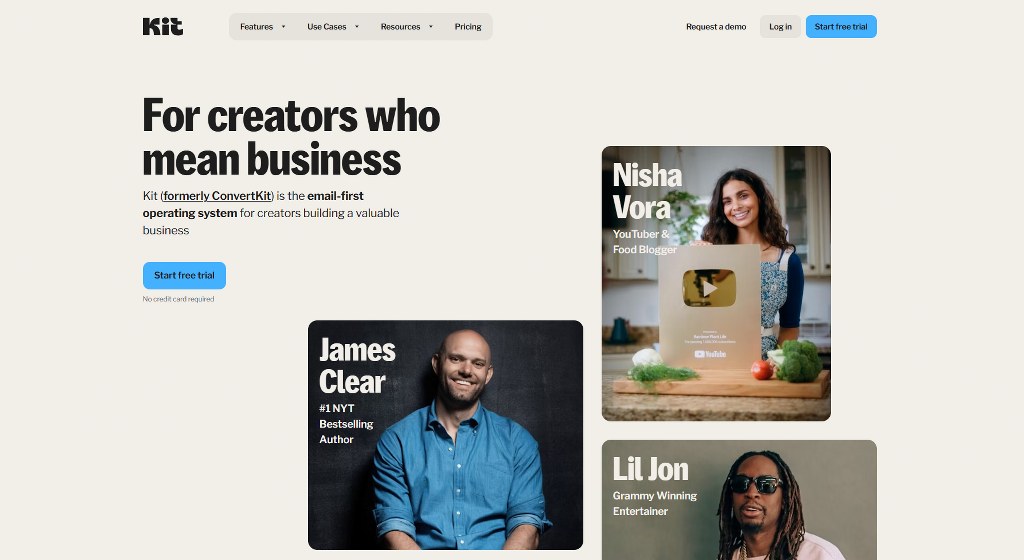
- Keep it Simple: Use short subject lines that focus on a message. To manage your email campaigns, use a professional and user-friendly tool like Kit.
- Provide a Clear Call to Action: Clear CTAs are important to get what you want. Use descriptive links like “Learn how to use our air fryer,” instead of “Click here.” These direct words tell seniors what they get when they click the link.

How often you send emails matters for seniors. They like regular updates, but not too many. Weekly or every two weeks will work. Daily emails can feel annoying or pushy.
Digital Platform Engagement by Baby Boomers: A Snapshot
Below is a table showing senior adults’ engagement on Facebook and YouTube:
Digital Platform | Engagement Level (Seniors) |
| The older demographic is the fastest-growing user of Facebook. 72% of the 50+ adults have Facebook accounts. 74% of those aged 55-65 use Facebook to stay in touch with family members and friends. Seniors also use Facebook to stay up to date with current news. | |
| YouTube | Over-65s represent 9.5% of YouTube’s 2.5 billion users. 88% of 55+ use YouTube weekly. |
This data reveals that seniors use digital platforms, unlike what most people think. What matters is creating content they understand and that aligns with their values. Also, using the right communication channels and language will help you reach them.

Facebook is one of the best platforms to market to seniors. With their active engagement there, you’ll find people willing to buy from you. Moreover, Facebook helps its audience connect with loved ones and build communities. This mission aligns with seniors’ motivations.
YouTube is also growing popular amongst the baby boomer generation. This trend gives you opportunities to create educational content that seniors value. Product demonstrations, tutorials, and other informational videos help them decide to buy from you.
These platforms make it easier to reach different groups of seniors. Some enjoy the social part of Facebook, while others use YouTube to learn. Knowing these preferences helps you improve your various channels for better results.
Mobile devices are important for senior engagement. Ensure your content fits all screens and loads fast on mobile and desktop connections.
Conclusion
Marketing to seniors offers good opportunities for making enough money. But you must understand their needs and behaviors and be respectful. Learn proper communication style and create an accessible digital experience to build trust. Prioritize honesty to keep their trust and build loyal customers.
Understanding marketing and its best practices will help you achieve success faster.

Next Steps: What Now?
Ready to market to seniors? Do the following:
- Define your marketing goals.
- Understand seniors’ needs, behaviors, and interests.
- Make your website and other digital platforms accessible.
- Create personalized content that aligns with their values.
- Be honest about your offerings to maintain your relationship with seniors.
Further Reading & Useful Resources
Read these additional resources for effective marketing:
- How to learn digital marketing: Get a complete guide to digital marketing.
- Digital marketing vs traditional marketing: Learn the differences and how to combine both for success.
- When do you send marketing emails? Learn the best time and frequency to get results.
- Marketing books: Get 27 marketing books for beginners and advanced marketers.
- How to optimize SEO: Learn how to improve your website visibility.

