


Want to turn your creativity into profit? This article covers how to make greeting cards to sell using Print on Demand (POD) and online stores.
If you want to start your own greeting card business, you’ll need the right methods. If you’re learning how to create greeting cards to sell, you must also learn how to reach customers. Read on to discover tips to market and scale your business effectively.
Best Website Builders to Sell Your Greeting Cards Online
| Provider | User Rating | Recommended For | |
|---|---|---|---|
 | 4.6 | Beginners | Visit Hostinger |
 | 4.4 | Pricing | Visit IONOS |
 | 4.2 | Design | Visit Squarespace |
Planning Your Greeting Card Business
To start, you need a plan. Don’t just jump into drawing. Consider who will buy your cards. Also, think about the types of cards they enjoy.

Market Research
First, find out what people want. Look at popular card websites and stores. What styles and messages are popular?

Think about who your customers are. Are they young or old? What are their interests? Knowing this helps you make cards people will buy.
Niche Selection
Next, pick a niche. Don’t try to make every kind of card. Focus on something you love and are good at. Maybe you enjoy making funny cards.
Or you prefer cards with nature themes. Specializing helps you stand out. Think about what inspires you or makes you happy. That’s a great place to start when choosing a niche.
Business Plan
Write a business plan. This is like a map for your business. It helps you stay on track. Your plan should include:
- What your business is about: Talk about your card designs. Explain what you want to achieve.
- Who your customers are: Describe the people you want to sell to. Make it clear who they are.
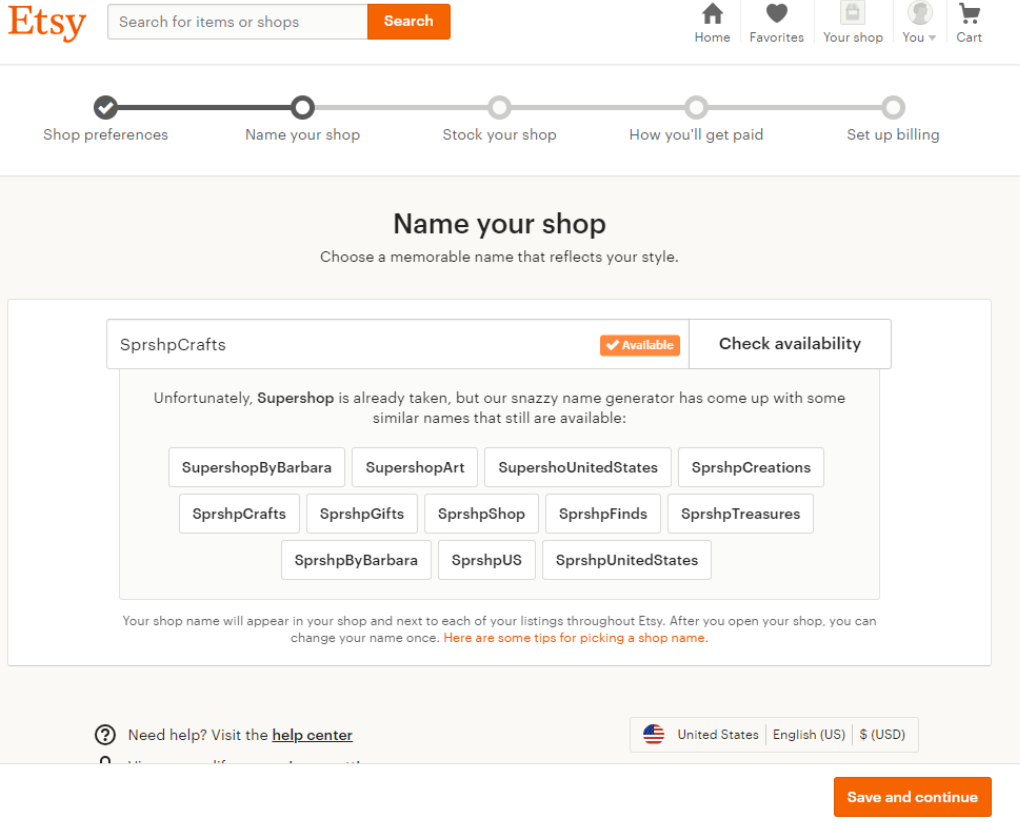
- How will you sell your cards: Choose where you want to sell. You can use Etsy, your own website, or both.
- How much money do you need and expect to make: Make a plan for your budget. Decide on the right pricing.
- How you will market your cards: Consider how you will share your cards. Find the best way to let people know about them.

Planning ahead helps you stay on track. It makes reaching your goals easier. It also helps you avoid problems.
Designing Your Greeting Cards
Now, let’s talk about how to make greeting cards to sell. This is the moment to use your creativity. It’s where your ideas shine.
Creative Process
Start by brainstorming ideas. What themes do you want to explore? What messages do you want to share?
Sketch your designs on paper. Pick colors and styles that match your niche. This helps create the right look and feel.
Many new card designers start by drawing right away. They do this when creating a new card. But it’s best to wait before drawing. Make sure you have a clear idea of your card’s style and theme first.
Look at other cards and art to find inspiration. After sketching your design, write messages that match the design. Keep making changes to refine your design until you’re satisfied.
Design Tools
You can use various tools to create your cards. Each tool helps shape and design them. Some people use software programs like Adobe Illustrator Others prefer Photoshop for their work.

Canva is another popular option. Canva is easy to use and has many customizable templates. You can also upload designs on the platform. If you use graphic design software like Canva, you can start designing for free. You could sell digital greeting card designs on Etsy without any cost.
Copyright
Make sure your designs are original. Do not take credit for someone else’s work. Using someone else’s designs without permission can cause problems. You might get into legal trouble.
If you use images or fonts from other artists, get their permission first. This helps you avoid any problems.

Setting Up Your Online Store
Now, let’s set up your online marketplaces. You have a few options.
Platform Options
- Etsy: Etsy is a well-known site for selling handmade greeting cards. Many people use it to buy and sell unique products. It has many customers. But there is also a lot of competition.
- eBay: eBay allows you to sell items in two ways. You can set a fixed price or hold an auction. It has a global reach. But it’s not only for handmade cards.
- Your own website: You can create your website. Platforms like Shopify or WooCommerce make it easy. This gives you more control. But it also means more work.


Having a dedicated website puts you in charge. It lets you control your brand completely. To set up your own website, you will need web hosting and a website builder. Use the best web hosting service providers to create a fast, secure, and reliable website.
Etsy and eBay provide ready-made marketplaces. However, your own website gives you more control over branding and design.
Store Setup
- Create an attractive store: Use good photos and write clear descriptions.
- Take good photos: Show your cards in the best light.
- Write clear descriptions: Tell customers about your cards.
- Set up payment: Choose a way for customers to pay.
- Set up shipping: Decide how you will send your cards.

When you’re happy with your designs, it’s time to share them. You can start marketing and selling them.
First, order prints from Vistaprint. This helps you check the colors and trim. Next, take photos of your cards. After that, list them on Etsy.

Finally, send the digital images to art licensors. Choose ones you have worked with before. See if they’re interested in selling your new collection.
Print on Demand (POD) Integration
POD makes it easy to sell cards without keeping a lot of inventory.
POD Explained
POD means that cards are printed only when someone orders them. This saves you money and space. You don’t need to buy many cards ahead of time. You can get them when you need them.
With sites like Printify, you can do more than the usual. You can design anything you want. You can even start a business from home.
POD services take care of printing and shipping. This lets you focus on designing and marketing your cards. This model lowers the upfront investment. It also reduces the risk of traditional inventory businesses.
Choosing a POD Partner
Choose a POD service with good quality. Make sure it also has reliable shipping. Think about the cost before you buy. Make sure it is easy to use.
When choosing a POD partner, think about a few key things. Print quality matters, as well as the variety of products. Good shipping options and customer service are also important.

Integration
Connect your POD account to your online store. When someone orders a card, the POD service prints and ships it.
This makes your life easier. Connecting POD to your online store automates order fulfillment. This saves you time and effort.
This smooth setup helps your business grow. You won’t need to manage inventory. You also won’t have to handle shipping.
Pricing and Marketing
Let’s talk about how to price your cards and tell people about them.
Pricing Strategies
Set your prices by considering material costs. Think about the effort put into design. Market demand also plays a big role. Think about offering tiered pricing or discounts. This can help attract more buyers.
Cost-plus pricing
First, find the cost of making a card. This means adding up the cost of materials. It also includes printing and packaging expenses. Then, add a profit to set the price.
Add a percentage for your profit margin. For example, if making a card costs $1, you can add a 50% markup. This means you would sell it for $1.50.

Competitive pricing
Check what others are charging. Set your prices close to theirs. Check prices on Etsy and eBay. You can also compare your prices on other online stores.
Value-based pricing
Increase the price for cards that are unique or high quality. Focus on what makes the design special. Talk about high-quality materials that stand out.
Mention the small details that show it was made with care. Focus on customers who care more about quality than cost.

Marketing
Promoting your greeting cards is important. It helps you attract more buyers. Use social media, Search Engine Optimization (SEO), and ads to attract more customers. This will help increase sales.

Social media
Share your cards on social media platforms, such as Instagram, Facebook, and Pinterest. Post clear photos and videos to show them off. Use the right hashtags to connect with your audience.

Contests and giveaways can help you gain more followers. Connect with your followers by replying to their comments. Answer their messages to keep them engaged.
Send emails to people who might be interested in your cards. Grow your email list by offering a discount or a freebie when they sign up.
Send newsletters to share new card designs. Include promotions and updates to keep customers’ loyalty. Customize emails to match what customers like. Use their interests and past purchases to make them more personal.
SEO
Use words that people often search for. This helps your product descriptions stand out. Look up keywords that match your card designs. Make sure they also relate to your target market.
Add keywords to your product titles. Use them in descriptions and tags, too. This helps people find your products easily.
Local marketing
Local marketing strategies also work. Sell your cards at local stores and markets. Work with boutiques, gift shops, and bookstores to reach more buyers.
Set up a booth at craft fairs. You can also sell at farmers’ markets. Give local retailers a discount when they buy in bulk.
Influencer marketing
Reach out to people with many followers. Ask them to share your cards with others. Find influencers in the greeting card or similar niches. Give them free samples of your cards to try. Work together on sponsored posts. You can also team up for giveaways.
Legal
Always check copyright laws before using images. Make sure to read the terms of service on platforms like Etsy or eBay. This helps you avoid legal issues.

Business Registration & Taxes
Register your business with the government. Choose a business structure (sole proprietorship, LLC, etc.). Register your business name with the state. Obtain any necessary business licenses and permits.
Pay taxes on the money you make. Keep accurate records of income and expenses. Pay sales tax, income tax, and any other applicable taxes. Consult with a tax professional for guidance.
Copyright
Protect your designs and respect other people’s designs. Ensure your designs are original and do not infringe on existing copyrights. Register your designs with the U.S. Copyright Office. Use copyright notices on your cards and website.

Scaling Your Business
As your sales grow, consider adding more designs or seasonal collections to attract new buyers. You can also partner with multiple print-on-demand suppliers to handle higher order volumes smoothly.
Add new card designs and other products. Introduce new themes, styles, and formats. Offer complementary products like stickers, gift tags, or stationery. Expand your product line based on customer feedback and crowded market trends.
Use tools to help you manage your business. Use inventory management software to track stock levels. Automate email marketing campaigns. Use project management tools to streamline design and production processes.
Hire people to help you. Hire freelance designers, writers, or marketers. Outsource tasks like printing, packaging, or shipping. Consider hiring employees as your business grows.
Build Your Online Store: Why a Good Website (and Hosting) Matters

Selling greeting cards on Etsy and eBay is a good idea. But having your own online store is even better. A personal website gives you complete control over your brand, prices, and customers.
You also avoid platform fees and sudden policy changes. You can create a website without learning how to code using the best website builders for small businesses.
But here’s the problem. A slow or unreliable website can push customers away. They might leave before even seeing your beautiful cards.

That’s why choosing the best web hosting is crucial. A good host keeps loading times fast. It makes transactions secure. It also ensures a smooth shopping experience.
If you want to turn your card-making hobby into a business, start with a good hosting provider. This is the first step to long-term success.
Conclusion
Learning how to make greeting cards to sell can be fun and profitable. You can print them on demand or create each one by hand. Platforms like Etsy, eBay, and your website help you reach more potential customers.
They also make it easier to grow your brand. The key to success is making unique, high-quality designs. You need to price them well and market them the right way.
Need a business plan to start your own greeting card company? Here’s an easy step-by-step guide to start your startup the right way.

Next Steps: What Now?
Ready to start your online greeting card business? Here’s what to do next:
- Pick your niche.
- Create your designs.
- Choose a selling platform.
- Set up a POD.
- Price strategically.
- Market smart.
- Handle legal matters.
- Scale up.

