


Nearly half of all online shopping starts with a Google search. So, ranking higher in search results can really boost your sales. However, it’s challenging for online stores to acquire high-quality backlinks for their product and category pages.
A strong backlink profile improves your rankings. It also increases traffic, builds credibility, and drives sales. In this guide, we’ll share 9 effective strategies to boost your rankings and domain.
Best Website Builders to Boost Your E-commerce SEO Strategy
| Provider | User Rating | Recommended For | |
|---|---|---|---|
 | 4.6 | Beginners | Visit Hostinger |
 | 4.4 | Pricing | Visit IONOS |
 | 4.2 | Design | Visit Squarespace |
1. Create High-Quality, Link-Worthy Content And Link Building Strategy

Why Content is Key for E-commerce Link Building
Let’s be real—nobody wants to link to your product pages. That’s just how e-commerce works.
Creating valuable content changes this. When you help your audience solve problems, you create things that attract links. Informative content helps the linker’s audience and indirectly promotes your products.
Read more on Ecommerce Product Page Strategies.
Take REI, for example. Their expert advice section has guides on outdoor activities. They get backlinks from blogs, news sites, and even schools. These links boost REI’s domain. It helps all their pages—including product pages—rank better.

Content also helps you build relationships with bloggers and media outlets. When you keep producing valuable information, you become a trusted resource. This means they’ll return to and link to again and again.
Types of Linkable Content for E-commerce
Not all content is created equal when it comes to attracting backlinks. Here are the formats that work best for e-commerce websites:
Guides & How-Tos: Create helpful guides that show customers how to use your products. For example, a kitchen store could make a guide on sharpening knives. These guides help people and attract links from other sites.
Product Roundups & Comparisons: Write articles comparing different products. “Best Running Shoes for Flat Feet” or “Memory Foam vs. Latex Mattresses.” These articles give value and attract links. Especially from sites that don’t want to make their own comparisons.
Infographics: Make visual content like infographics. An outdoor clothing store could create an infographic. For example, “How to Layer Clothes for Winter Hiking.” Other blogs and magazines would link to this useful content.
Data Studies & Reports: Share original research. Analyze your sales data to find interesting trends. For example, a beauty store could publish a report on “Makeup Buying Trends.” Journalists and bloggers will link to your findings.

Keyword Research for E-commerce Blogging
Creating content without proper keyword research is like fishing without bait. To maximize your building efforts, target keywords that:
- Have decent search volume (300+ monthly searches)
- Relate directly to your products
- Have informational intent that can lead to purchases
Tools like SEMrush and Ahrefs make this process straightforward. Look for questions people ask about your products and industry. For example, a furniture retailer might target “how to choose a sofa that lasts”.
Focus on informational keywords with commercial potential. Someone searching “how to choose running shoes for beginners” is in for running shoes. It makes this an ideal topic for an e-commerce sporting goods store.
2. Get Featured in “Best Product” Roundups & Reviews On Search Engines
Product roundups are articles that help people find the best items. These articles review different products. They link directly to where readers can buy them, often from stores like yours.
These roundups are gold mines for e-commerce link building because they:
- Target high-intent keywords from shoppers ready to buy
- Provide contextual, relevant links to product pages
- Often come from high-authority websites like Wirecutter, Forbes, or niche blogs
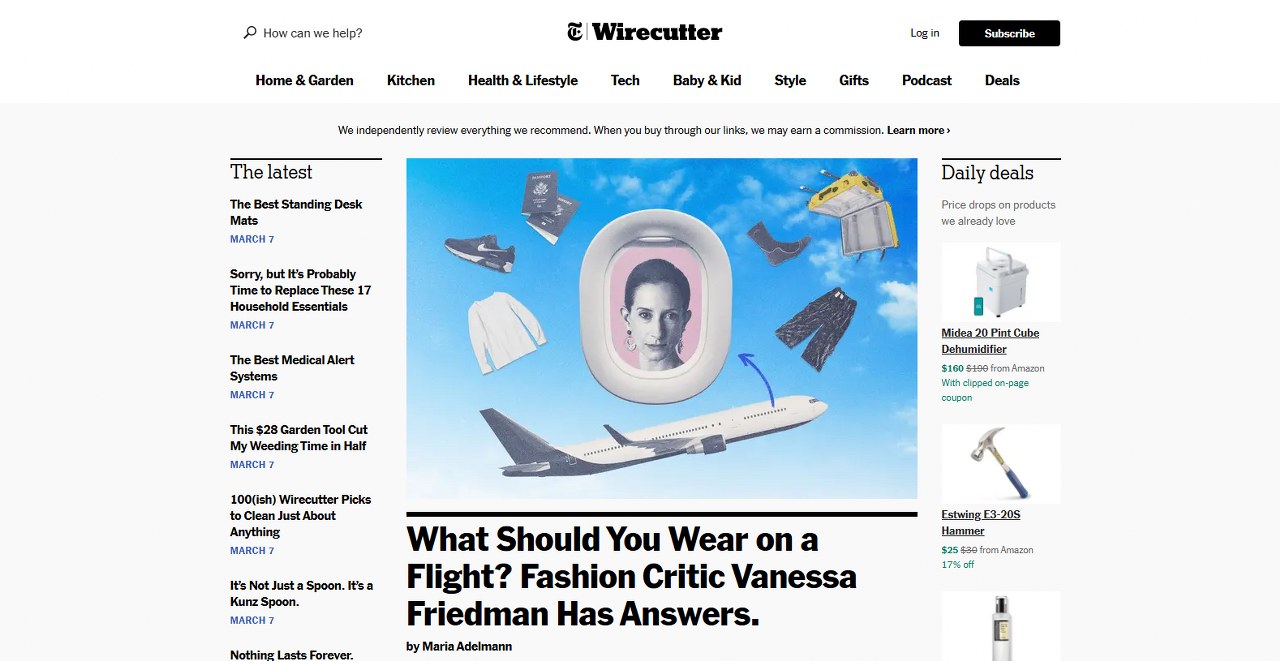
- Drive both SEO value and direct referral traffic

The best part? These roundups exist for virtually every product category imaginable.
How to Get Your Product Featured
Getting your products into these roundups requires a strategic approach:
First, identify relevant websites that create product roundups in your niche. Search Google with queries like:
- “Best [your product] for [use case]”
- “[Your product] reviews”
- “Top [your product] 2024”
Make a list of sites that rank on the first two pages of Google for these terms. These are your primary targets.
Next, find the right contact person. Look for the author of the roundup article or the site’s product review editor. LinkedIn and X are helpful for finding these connections.

When reaching out, keep it short and focus on what makes your product special. Explain why it will help their readers. Offering a free sample can increase your chances of being featured.
Some websites might charge a fee to include your product. Make sure they follow Google’s rules by using “nofollow” links. Many good review sites offer paid testing and honest reviews.
3. Leverage HARO (Help a Reporter Out) for Authority Links
Help a Reporter Out (HARO) is a free service that helps journalists find experts. Reporters ask for quotes or information, and you can respond with helpful answers.

For online businesses, HARO is a great way to get links from big news sites and industry blogs. When a journalist uses your answer, they usually link back to your website. This can boost your online presence.

These links are particularly valuable because:
- They come from trusted, high-domain-authority websites
- They’re editorial links (the best kind for SEO)
- They position you as an industry expert
- They’re completely free (except for your time)
How to Succeed with HARO
To make HARO work for your e-commerce site:
Sign up for the free HARO service and select relevant categories. For most e-commerce businesses, the “Business and Finance” and “Lifestyle and Fitness” categories are most productive.

Monitor the daily emails (sent three times daily on weekdays) for relevant queries. Act quickly—journalists often receive dozens of responses, and earlier submissions have an advantage.
When responding, follow these best practices:
- Answer the specific question completely but concisely.
- Include your credentials that make you qualified to answer.
- Provide unique insights or data points journalists can’t easily find elsewhere.
- Keep your response under 200 words unless more detail is requested.
- Include your name, title, company, and website URL for attribution.
Prioritize opportunities from high-domain-authority websites (DR 50+). A single backlink from a site like Business Insider or The Washington Post can provide more SEO value than dozens of links from smaller blogs.

4. Unlinked Brand Mentions: Turn Them into Backlinks
Unlinked brand mentions are situations where websites mention your brand or products without linking back to your site. These lost links represent missed opportunities for valuable backlinks. Many e-commerce sites face this issue.
The good news is that it’s easy to find unlinked mentions and turn them into backlinks. Since the site owner already knows and likes your brand, they’re usually happy to add a hyperlink when you ask them to.
Think of unlinked mentions as backlinks waiting to happen.

How to Find and Claim Unlinked Mentions
Finding and converting unlinked mentions is easy and can boost your online business. Start by setting up Google Alerts for your brand name, product names, and founder’s name. This way, you’ll get email notifications whenever these terms appear online.
For a more thorough approach, use tools like Ahrefs Content Explorer or Brand Mentions to find unlinked brand mentions across the web. These tools let you filter specifically for mentions without links.
When you find an unlinked mention in an existing article, reach out to the website owner with a friendly message like this:
“Hi [Name],
I was reading your article about [topic] and noticed you mentioned [our brand]. Thank you for the shout-out! Would you mind adding a link to our website so your readers can learn more about us? Our URL is [website].
Thanks for considering, [Your Name]”

This approach works well because you’re not asking for something new—just a small addition to something they’ve already done. Success rates for this tactic usually range from 30-50%, making it one of the most efficient link-building strategies available.
A pet supply e-commerce store I worked with found 37 unlinked mentions in one month. By converting 19 of them into backlinks, they saw a 12% increase in organic traffic. This process can also help you discover working competitor links and consider using niche edits to enhance your strategy.
5. Digital PR & Viral Campaigns for Link Acquisition
PR represents the intersection of traditional public relations and SEO. When executed well, PR campaigns can generate dozens or even hundreds of high-quality backlinks from authoritative news sites and industry publications.
The SEO benefits of digital PR are substantial. A single feature on sites like CNBC, Buzzfeed, or NPR can provide more link equity than months of traditional link building efforts. These high-domain-authority sites pass tremendous SEO value through their links.

Beyond the SEO benefits, digital PR campaigns also increase brand awareness, drive referral traffic, and build credibility with your target audience. It’s a multi-purpose strategy that delivers value across marketing channels.
Successful PR Link Building Tactics
Several PR approaches have proven particularly effective for e-commerce link-building strategies:
Launch a Viral Job Posting: In 2022, Candy Funhouse created a job called “Chief Candy Officer.” It was with a $100,000 salary to taste-test candy. This fun job was covered by big news sites like CNN and CNBC, bringing in lots of attention and links. To do something similar, create a job with a cool title, great perks, or a big salary. The more exciting it is, the more news it will get.
Create a Scholarship Program: Offering a scholarship for students can get links from schools. For example, a beauty store could offer a scholarship for makeup students. A tech store could help computer science students.
Partner with Charities & Causes: Supporting good causes can get you press and links. When Patagonia gave all its profits to fight climate change, it got lots of news coverage and links. Even smaller efforts, like donating products or organizing community clean-ups, can help.
The key to successful digital PR is to create stories that are interesting. If a journalist would find it interesting, you’re on the right track.

6. Build Links from Industry Influencers & Trade Publications
Influencers and industry publications hold significant sway in the e-commerce ecosystem. Many influencers maintain blogs with high domain authority, while trade publications serve as trusted information sources for specific industries.
These relationships are valuable for link building because:
- Industry influencers often have high-DR blogs that pass substantial SEO value
- Trade publications regularly feature new products and industry innovations
- These sources attract your exact target audience, making the links highly relevant
- Relationships with influencers can lead to ongoing link opportunities
Unlike general blogs, industry-specific sources understand your products and can contextualize them appropriately, resulting in more valuable backlinks.
How to Get Links from Influencers & Industry Blogs
Building relationships with influencers and trade publications requires a personalized approach:
Identify relevant blogs and publications using search operators like:
- intitle: “write for us” + [your industry]
- [your industry] + “guest post”
- [your industry] + “contribute”
For influencer identification, tools like BuzzSumo can help you find content creators with significant followings in your niche.

Offer value before asking for links. This might include:
Guest Contributions: Write valuable guest articles for industry blogs. While many sites use nofollow links in guest posts, the exposure and referral traffic still provide value, and some will include dofollow links to relevant resources.
Affiliate Partnerships: Offer commission incentives to influencers who link to and promote your products. While affiliate links should use proper attribution (rel=”sponsored”), the relationship often leads to additional editorial mentions with natural links.
Exclusive Information: Provide influencers with early access to new products or exclusive data they can share with their audience.

A home decor e-commerce store successfully built relationships with interior design bloggers by offering free products for room makeovers. Each blogger documented the process, resulting in contextual backlinks to specific products used in the projects.

7. Recover Lost & Broken Competitor Links

The Value of Broken Link Building
Websites frequently link to pages that no longer exist, creating opportunities for you to step in with replacement content. This approach is particularly effective for e-commerce sites because:
- You’re solving a problem for the website owner by helping them fix broken links
- The linking site has already demonstrated willingness to link to content in your niche
- The outreach conversion rate is typically higher than cold link building requests
Broken link building works especially well when competitors go out of business, rebrand, or restructure their websites, leaving behind a trail of dead links that once pointed to their content.
How to Find Broken Links
The process for recovering broken competitor links involves several steps:
First, identify competitors who have gone out of business, rebranded, or significantly changed their URL structure. Industry news and social media can alert you to these changes.
Use Ahrefs or Semrush to analyze the backlink profile of these competitors. Filter for 404 (not found) errors to find pages that still receive links despite no longer existing.
Create similar or improved content on your site that serves the same purpose as the original broken link destination. This might be a product page, buying guide, or informational resource.

Reach out to websites linking to the broken page with a helpful message:
“Hi [Name],
I noticed your article on [topic] links to [broken URL], which unfortunately no longer exists. I thought you might want to know so you can update it.
We actually have a comprehensive resource on this topic at [your URL] that might be a good replacement for your readers.
Thanks for your time, [Your Name]”
8. Get Listed on Supplier & Manufacturer Websites
If your e-commerce website sells products from third-party brands, you have a natural link opportunity that many retailers overlook. Manufacturers and suppliers often maintain “Where to Buy” or “Authorized Retailers” pages that link to stores carrying their products.

These links are valuable because:
- They come from relevant, industry-specific websites
- They’re editorial links that search engines view favorably
- They’re typically easy to acquire if you have a legitimate business relationship
- They can drive referral traffic from customers searching for specific brands
For example, pet food brand Greenies maintains a “Where to Buy” page linking to all authorized retailers, providing valuable backlinks to pet supply e-commerce stores.
How to Get Supplier Links
Securing links from suppliers and manufacturers is straightforward:
Contact the brands you stock and request to be added to their dealer locator, store finder, or “Where to Buy” page.
Reach out to your existing sales representative or the marketing department if you don’t have a direct contact. Explain that you’re an authorized retailer and would like to be included in their online directory.
For best results, mention:
- How long have you been selling their products.
- Any sales achievements or growth with their brand.
- Your commitment to customer service and product knowledge.
Some manufacturers may have requirements before listing you, such as minimum order quantities or completing product training. Meeting these requirements is worthwhile for the SEO benefits of the backlink.

Beyond manufacturer websites, get listed in industry directories relevant to your e-commerce platform or niche:
- Shopgram lists Shopify stores by category
- CartInsight features WooCommerce retailers
- Clutch lists e-commerce development agencies and stores
A client in the outdoor equipment space secured links from 12 different manufacturers by systematically contacting each brand they carried. This not only improved their backlink profile but also increased referral traffic by 17%.

9. Implement Resource Link Pages for Industry Partners
Resource pages are dedicated sections on your e-commerce site that provide valuable links to complementary businesses, tools, and information sources in your industry. While this might seem counterintuitive—linking out to other sites—it creates a powerful reciprocal link building opportunity.

These resource pages work because they leverage the principle of reciprocity. When you feature other businesses as valuable resources, they’re significantly more likely to link back to your store. This approach is particularly effective for e-commerce because:
- It positions your store as a helpful industry hub rather than just a seller
- It builds goodwill with complementary businesses (not direct competitors)
- It creates natural opportunities for outreach and relationship building
- It adds value for your customers by connecting them with related services
For example, a camping equipment store might create a resource page linking to national parks, hiking trail maps, outdoor photography tutorials, and campsite reservation systems—none of which compete with their products.
How to Create Effective Resource Pages
Creating resource pages that generate backlinks involves strategic planning. Here’s a straightforward way to do it:
First, identify complementary businesses and resources in your ecosystem that serve the same customers but don’t compete directly with your products. For instance, a pet supply e-commerce store might include links to local veterinarians, pet insurance providers, dog trainers, and pet adoption agencies.

Organize these resources into logical categories for your customers. For a pet store, categories might include “Pet Health,” “Training Resources,” “Adoption Services,” and “Pet-Friendly Travel.”
When creating your resource page, write thoughtful descriptions for each link. Don’t just list URLs. Explain why each resource is valuable and how it helps your shared audience. This shows that you’ve carefully curated the list instead of randomly assembling links. Focus on quality content and relevant high-quality sites.
Once your resource page is live, reach out to the businesses you’ve featured with a polite message:
“Hi [Name],
I wanted to let you know that we’ve featured [Their Business] on our new industry resource page at [URL]. We think the work you’re doing with [specific aspect of their business] provides great value to pet owners, and we’re happy to share it with our customers.
Feel free to check out the page and let me know if you’d like us to update any information about your services.
Best regards, [Your Name]”
This friendly approach often leads to natural link placements without explicitly asking. Many businesses will add you to their own resource pages or mention you in their blog posts once they see you’ve mentioned them online.
To maximize results, update your resource page regularly and continue adding new partners. Each addition creates fresh outreach opportunities and keeps the page valuable for returning visitors. This will improve your search queries and link juice for your commercial pages.

Choose the Right Site Hosting Service

Once you have created your website, choosing the best web hosting service is the next crucial step for e-commerce success. A reliable and fast hosting service improves your site’s performance and user experience, and both are important to search engines like Google. Some hosting services even offer built-in SEO tools to help you optimize your site.
Remember, your website hosting service is not just a place to store your website’s files. It’s a crucial component of your online presence and can significantly impact your e-commerce success.
Conclusion
Building a strong backlink profile for your e-commerce site requires strategic outreach and valuable content creation.
By implementing these nine tactics—from creating linkable content to leveraging supplier relationships—you can significantly improve your search rankings and drive more organic traffic. Remember that building is a long-term process that requires consistency and patience.

Next Steps: What Now?
- Set clear goals: What do you want to achieve with your linking efforts?
- Analyze your competitors’ backlinks: What websites are linking to your competitors?
- Track your progress: Use a tool like Google Analytics to track your website’s traffic and rankings.
- Be patient: Building a strong backlink profile takes time.


